

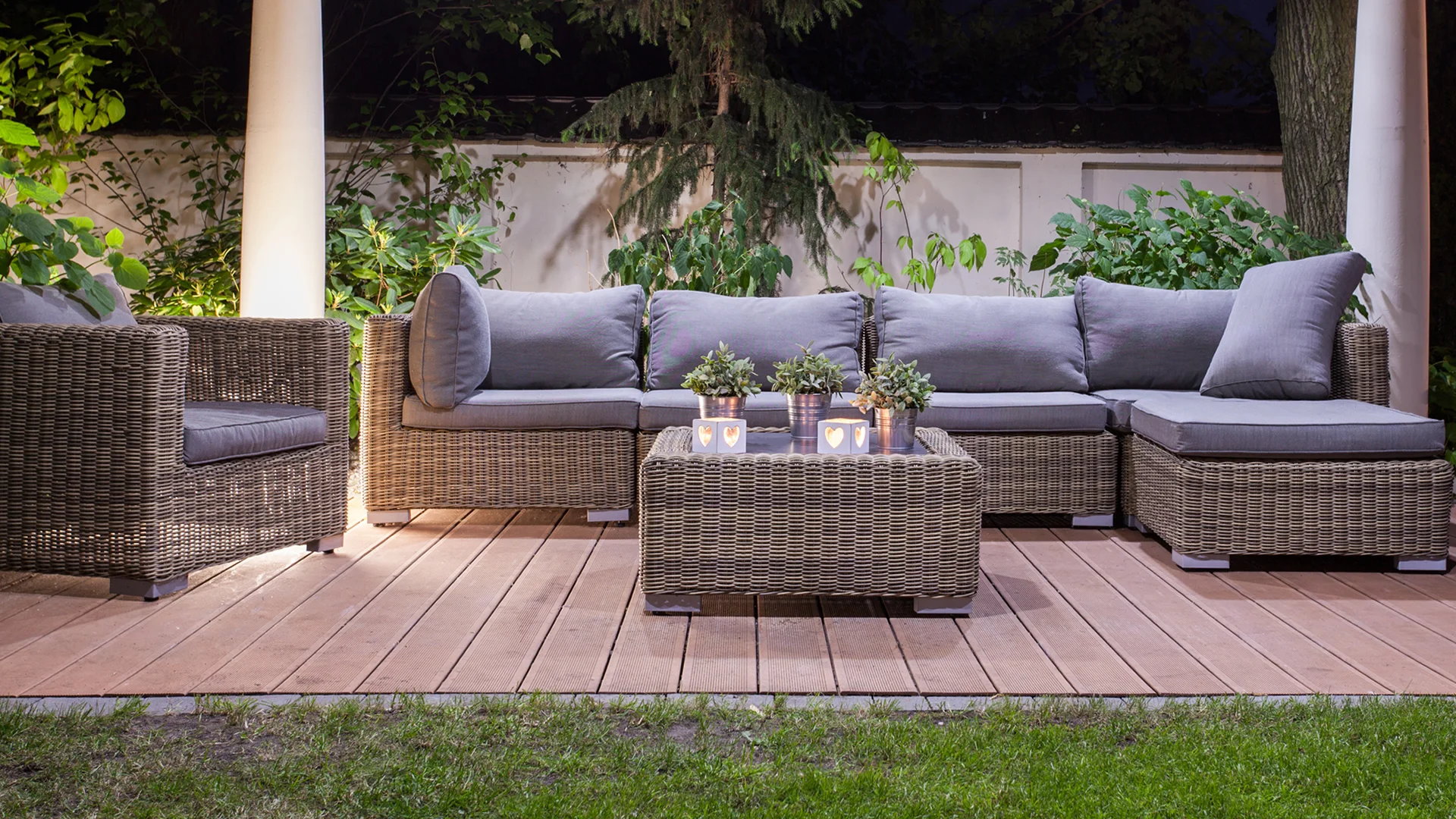
Buy a nice outdoor sofa set today, and give it six months outside without any care and you’ll barely recognize it. The color fades, the fabric feels rough, and there’s a musty smell nobody wants near their patio. This isn’t bad luck. It’s simply what happens when outdoor furniture upholstery treatments get skipped, and the fabric is left to fend for itself against the outdoors.
Here’s a practical, no-fluff guide covering everything you need to know about outdoor furniture upholstery treatments so your cushions and fabric stay looking new, season after season.
Outdoor Fabric Isn’t All the Same
A lot of people treat every outdoor cushion the same way, but the material underneath makes a big difference in how you should clean it.
If your furniture uses solution-dyed acrylic fabric, you’re in luck — the color runs all the way through the fibers, so it holds up well against sun and even mild bleach. Olefin fabric is common on budget outdoor sets; it handles water fine but breaks down faster under strong sun, so stick to gentler cleaners. Vinyl or PVC fabric is basically waterproof and wipes clean in seconds, but avoid alcohol-based products since they can dry it out and crack it. And if you have cotton or linen-blend cushions, know that they soak up moisture easily and are the most likely of the bunch to grow mold if they stay outside full-time.
Check your furniture’s care tag or ask the retailer if you’re not sure — it’ll save you from using the wrong product later.
The Real Reason Outdoor Furniture Deteriorates
There are really only three things working against your furniture, day in and day out.
Sun exposure is the number one enemy. UV rays slowly break down the fiber structure, which is why fabric loses its color and starts feeling brittle even fabrics advertised as “fade-resistant” eventually show wear. Trapped moisture is the second problem. Rain seeps into cushion foam, and if it isn’t dried out properly, mold begins growing on the inside before you even notice a smell. And finally, everyday surface debris pollen, bird droppings, tree sap sits on the fabric and gets baked in by the heat, turning into a much tougher stain the longer it’s left alone.
Knowing this makes it obvious: cleaning matters, but preventing the damage in the first place matters more.
Getting Your Supplies Together
You don’t need anything fancy for this most of it is probably already in your cleaning cabinet:
A soft brush for gentle dusting and a firmer one for stubborn spots, mild dish soap, white vinegar, an oxygen-based stain remover (much gentler on fabric than regular bleach), a fabric protector spray, a few microfiber cloths, and either a garden hose or a wet-dry vacuum for rinsing and drying.
How to Actually Do Outdoor Furniture Upholstery Treatments, Step by Step
Start by clearing off loose dust and debris with a brush or vacuum doing this before any water touches the fabric matters, because wetting dry dirt first just pushes it deeper into the weave.
Once that’s done, give the cushions a quick rinse with a hose. This alone removes a surprising amount of surface grime before you even use soap.
Now comes stain treatment, and this is where most people go wrong by using one all-purpose spray for everything. Different stains need different approaches. Mold and mildew respond well to a simple vinegar-and-water mix left on for about 10 minutes before a gentle scrub. Bird droppings should be scraped off once dry, then cleaned with warm water and a bit of enzyme cleaner. Tree sap or grass stains come off with a dab of rubbing alcohol (though skip this on vinyl fabric). Food stains usually lift with plain dish soap and warm water. And sunscreen marks —the yellowish ones need an oxygen-based stain remover left to sit for around 30 minutes.
Test any product on a hidden spot first, since even a mild solution can lighten cheaper fabric.
For a deeper clean, remove the cushion covers if possible and wash them gently, or hand-wash the foam by soaking it in mild soapy water and pressing the moisture out never wring it, since that damages the foam’s structure.
Then comes the part people rush the most: drying. Cushions need to dry completely before going back together. Reassembling them while even slightly damp traps moisture inside, and that’s exactly how mold forms where you won’t see it until it’s already a problem. Stand cushions upright in an airy spot, and use a wet-dry vacuum if you want to speed things up.
Once everything is fully dry, finish with a coat of fabric protector spray. This restores the water and UV resistance that most fabrics lose after several months outdoors and it’s the single step that makes the biggest long-term difference, yet it’s the one most people forget entirely.
The Frame Needs Attention Too
Nice upholstery on a neglected frame doesn’t last long. Wood frames should get a wipe-down and a fresh coat of outdoor sealant once a year to prevent warping. Rattan and wicker shouldn’t be soaked a damp cloth is enough, and keep them out of standing water. Metal frames are worth checking for early rust spots and treating with a rust-inhibiting primer before corrosion spreads toward where the fabric attaches. If the frame itself is warped, wobbly, or the joints have loosened, that’s less of a cleaning issue and more a job for professional carpentry servicesin Dubai, since a weak frame will undo even the best upholstery care.
Storing Furniture When the Season Changes
If you’re dealing with a harsh season, how you store your furniture is just as important as how you clean it. Make sure everything is completely dry before it goes into storage damp fabric stored away is asking for mold. Use breathable storage bags rather than sealed plastic, since plastic traps humidity. Keep pieces in a dry, shaded spot, ideally off the ground. If storage isn’t practical, a good weatherproof cover rated for your climate is the next best option.
Habits That Quietly Ruin Fabric
A few common habits do more damage than people realize: using regular chlorine bleach on fabric that isn’t solution-dyed, which strips the color unevenly; cleaning cushions while they’re still wet from rain; skipping the protector spray after a deep clean; storing furniture that looks dry but isn’t fully dried through; and scrubbing in circular motions on fabric with a directional weave, which frays the fibers over time.
When DIY Isn’t Enough
Most maintenance can be handled at home, but it’s time to call a professional if a mold smell persists even after cleaning (it may be inside the foam and not just on the surface), the fabric has gone stiff or started cracking despite proper care, there’s heavy staining across multiple pieces after a storm, or the frame itself is damaged in a way that’s affecting how the upholstery sits.
Final Thoughts
Outdoor upholstery rarely fails because of bad weather alone it usually fails because of small, skipped steps: cushions put away before fully drying, protector spray never reapplied, or the wrong cleaner used on the wrong fabric. Staying consistent with outdoor furniture upholstery treatments, and calling in professional carpentry services whenever the frame needs more than a wipe-down, is really what keeps a patio set looking good year after year. Know what material you’re working with, dry everything completely before reassembling, and treat the frame with the same care as the fabric itself. Do this consistently, and your outdoor furniture will hold its color and comfort well beyond a single season.
Questions People Often Ask
How often does outdoor upholstery actually need cleaning? A quick dusting weekly, and a proper deep clean every 4 to 6 weeks during the season your furniture gets the most use.
Can I just use a pressure washer? Only on a low setting from a distance. Full pressure can force water deep into the foam and weaken the fabric.
Is the protector spray really necessary? Yes — without it, fabric loses its water and UV resistance much faster. Reapply it roughly every 6 to 12 months, or right after each deep clean.